Vienna, the Austrian capital, is a city steeped in rich history and old-world charm. It boasts stunning Baroque and Neo-Classical architecture, as well as elegant 19th-century.
Hofburg Imperial Palace. As the official headquarters for the Habsburg Empire from 1273-1918, the Hofburg owes its splendor to one-upmanship between imperial architects throughout numerous generations. The Swiss Courtyard, its oldest section, dates back to the 13th century, while the Chancery Wing can be placed in the 18th century.
Schönbrunn Palace. Designed by Bernhard Fischer von Erlach, one of the foremost architects of the baroque period, Schönbrunn Palace is a perfect example of baroque formality. Schönbrunn Palace has belonged to the Habsburg Monarchy since 1569 and was used as a summer residence.
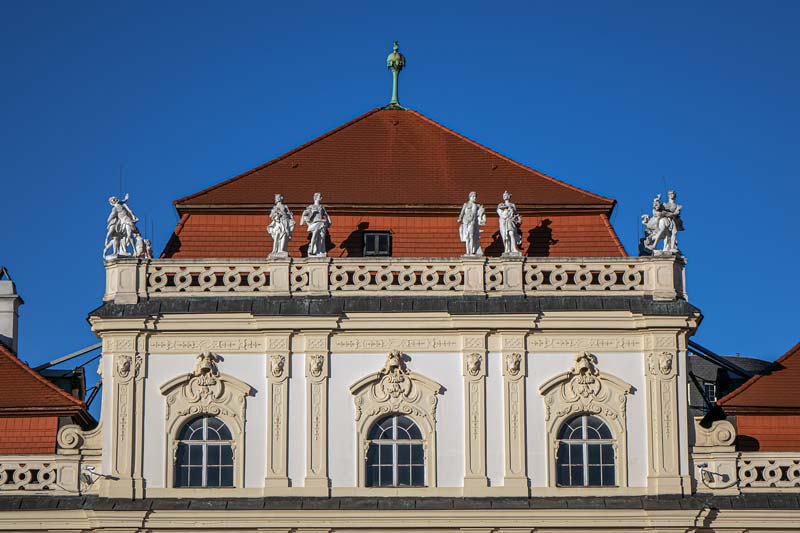
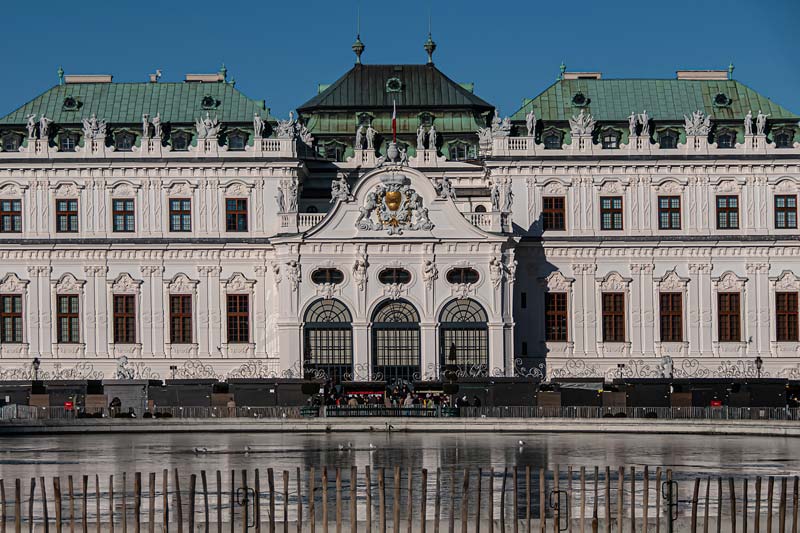
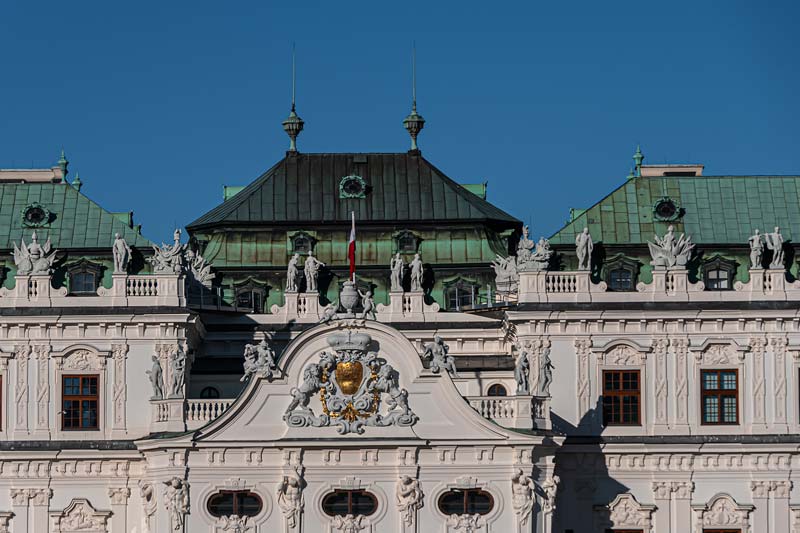
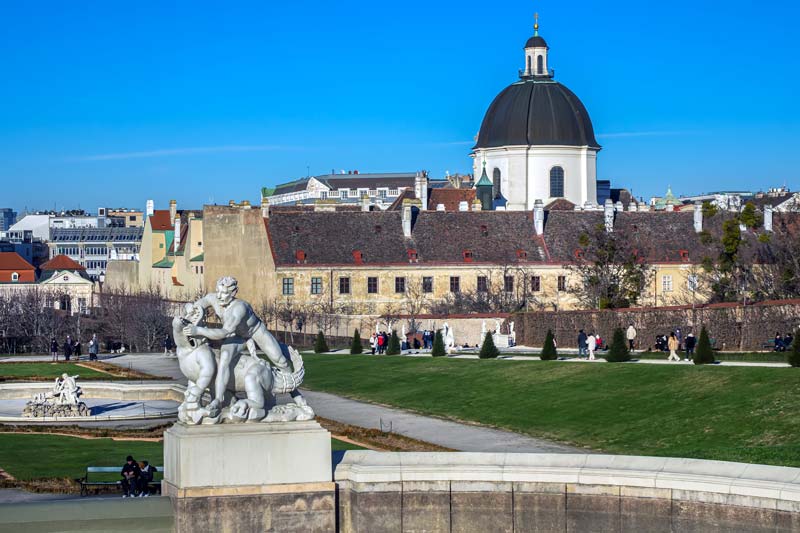
Belvedere. Lower Belvedere. Belvedere is a historic building complex in Vienna, consisting of two Baroque palaces (the Upper and Lower Belvedere), the Orangery, and the Palace Stables. Upper Belvedere Palace, built by Johann Lukas von Hildebrandt as a summer residence for Prince Eugene of Savoy (1723).
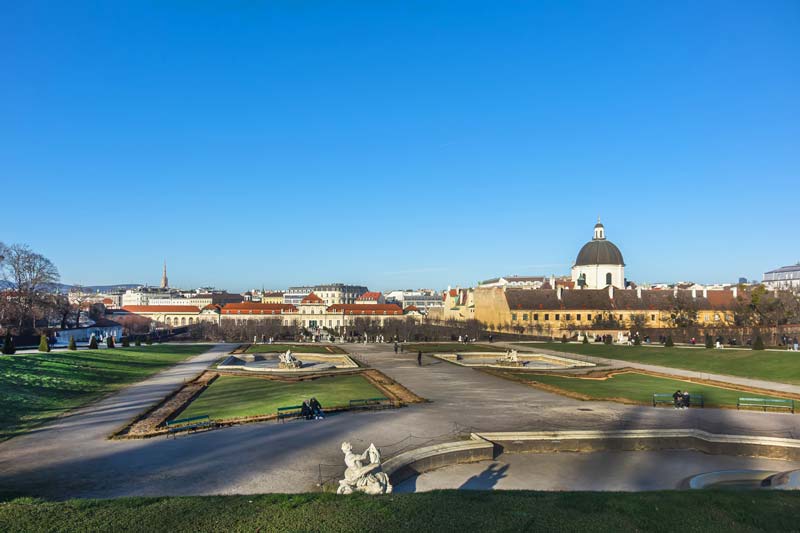
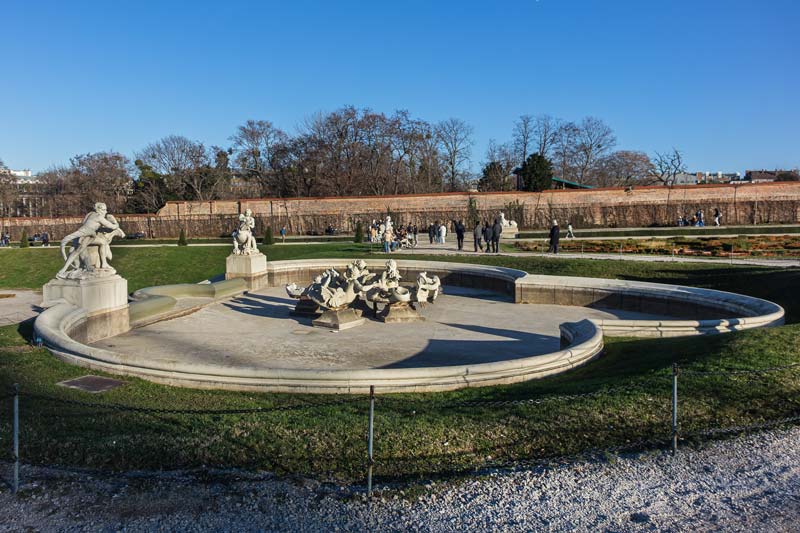
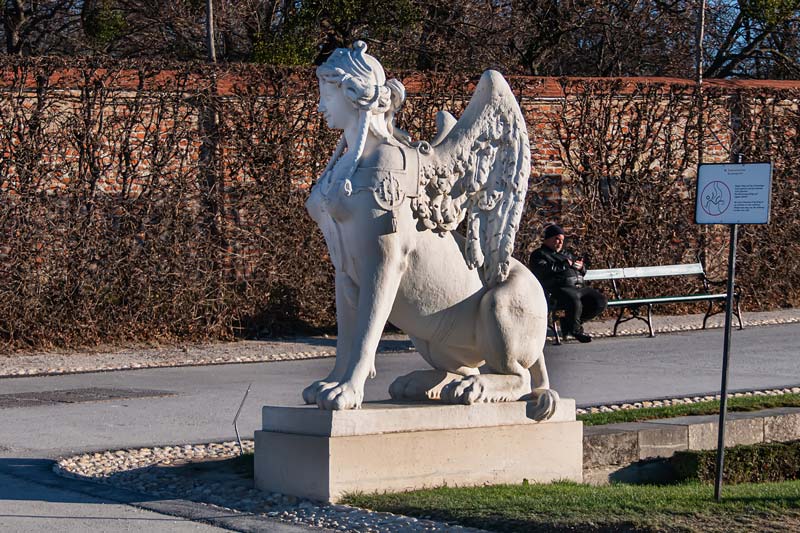
Belvedere Park (Belvederegarten).
Lower Belvedere Palace. Lower Belvedere Palace is an 18th-century complex and architectural jewel. The lavish Lower Belvedere was once the presidential palace of Prince Eugene and now showcases various art exhibits.
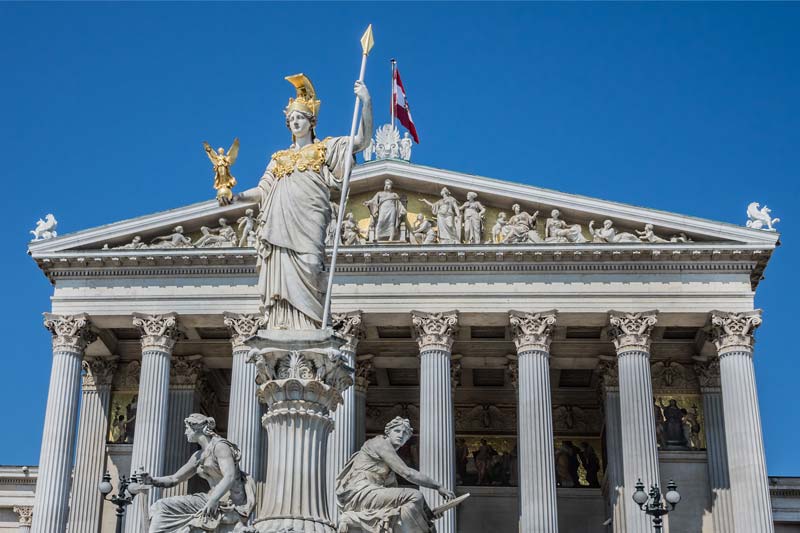
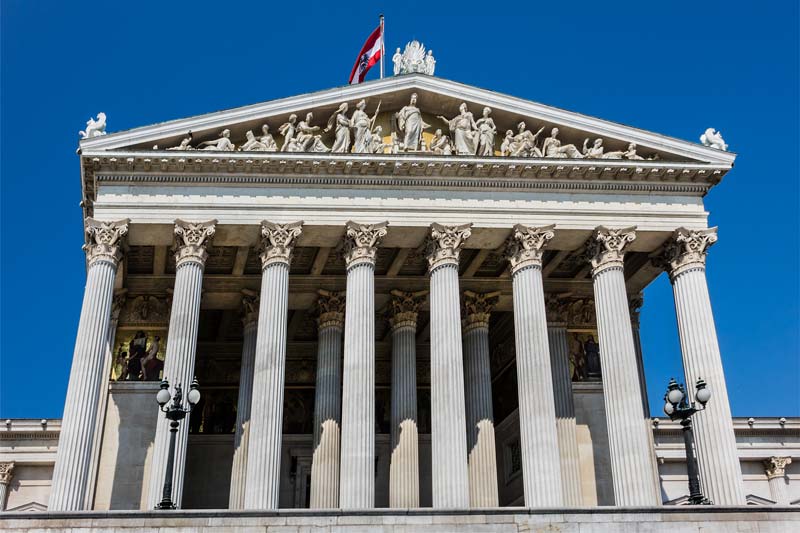
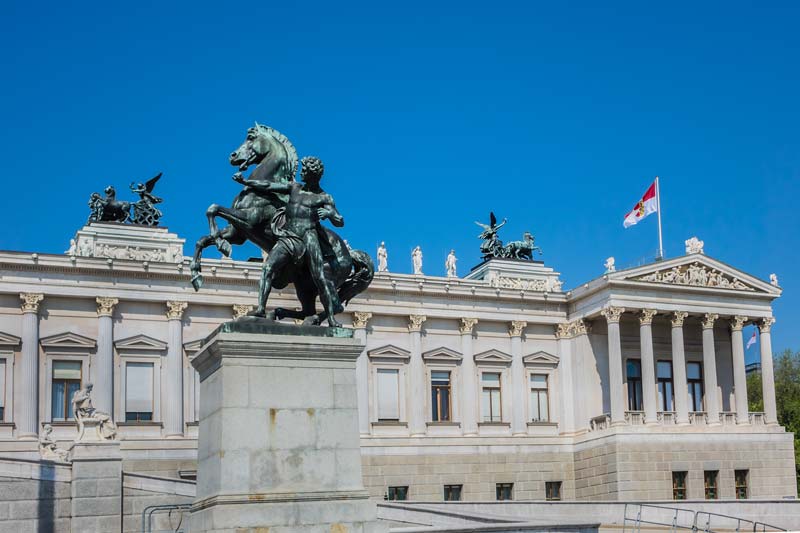
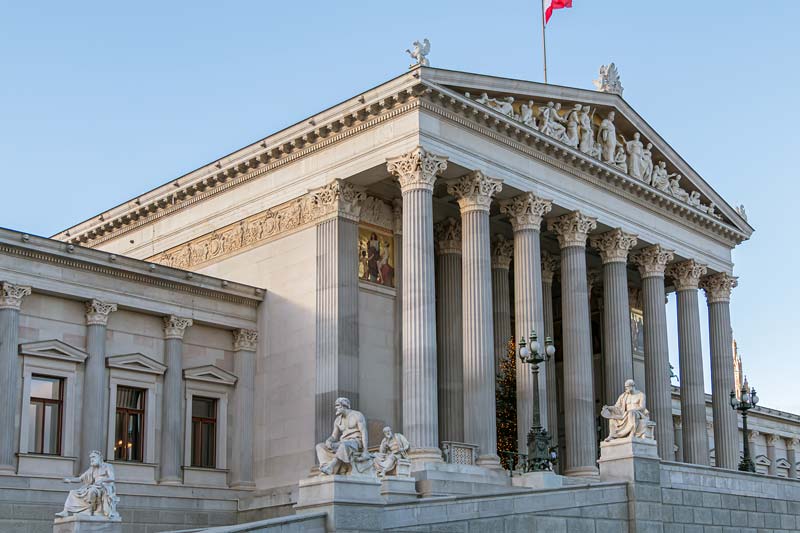
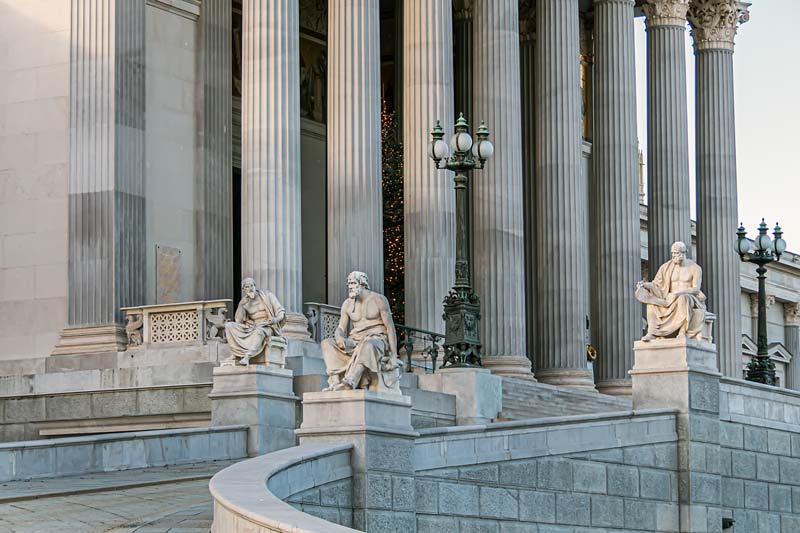
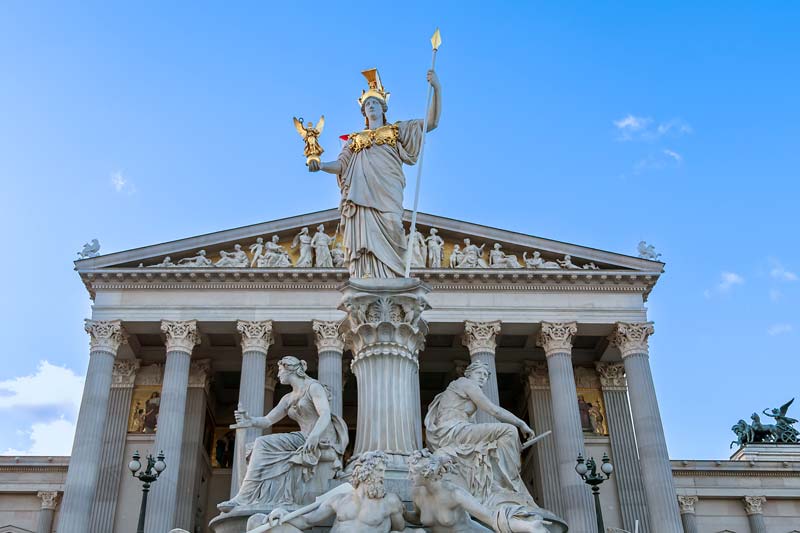
Parliament Building. This 1880s building has an obvious Hellenic style with its simple columns and abundance of Greek statues; Athena even dominates the fountain outside the front.
Pallas Athena fountain. A monumental fountain with dominating marble statue of the goddess Pallas Athena in front of the building of Austrian Parliament.
Vienna City Hall (Wiener Rathaus). Gothic Revival Vienna City Hall (Wiener Rathaus) seat of Vienna’s mayor was designed by Friedrich von Schmidt and constructed between 1872 and 1883..
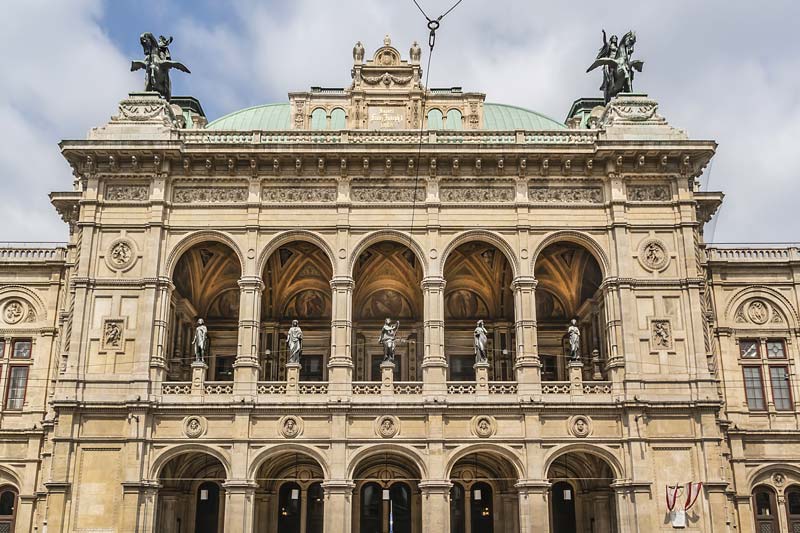
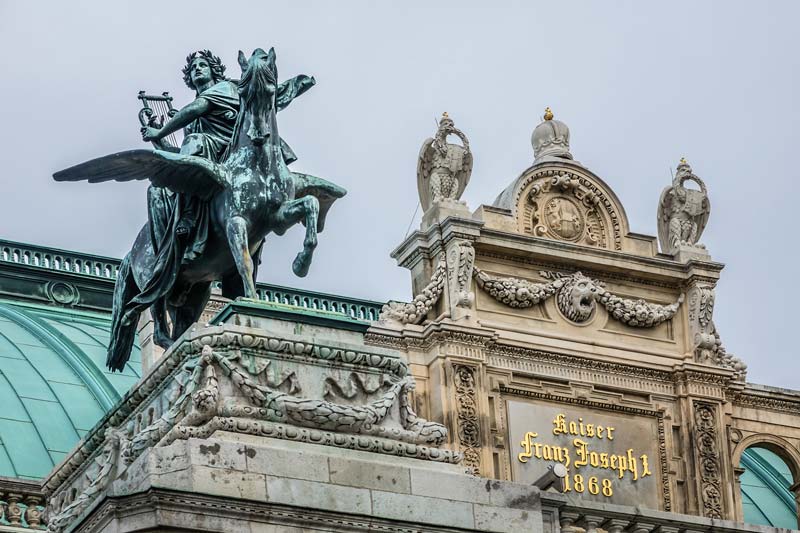
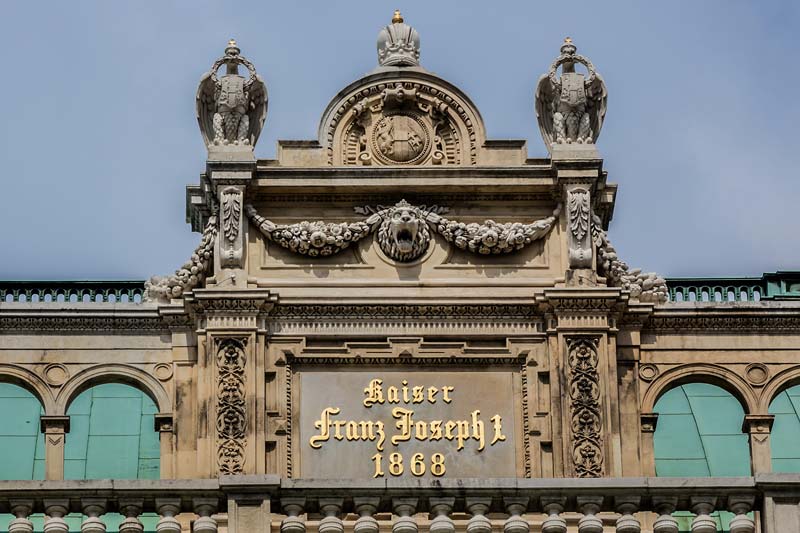
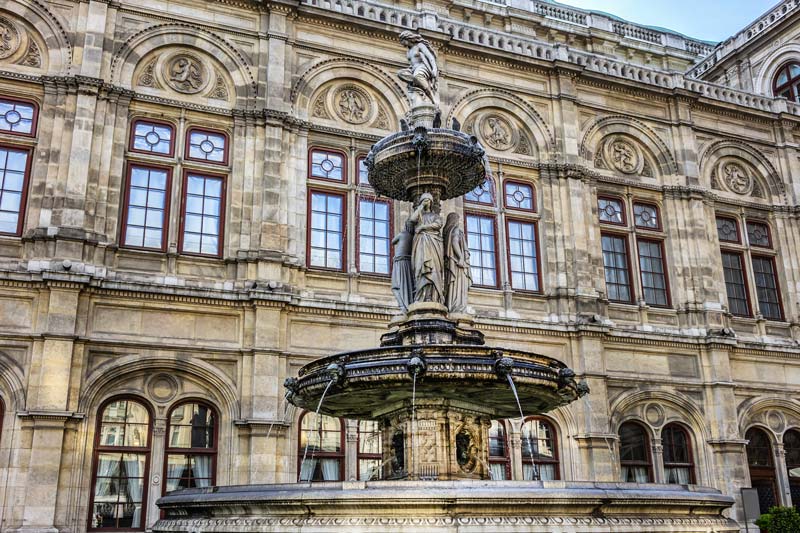
Vienna State Opera (Wiener Staatsoper). The magnificent Staatsoper was one of the first buildings to emerge along the Ring back in 1869. One of the world’s leading opera houses, Vienna’s Neo-Renaissance Staatsoper, boasts stunningly opulent interiors with a fantasia of marble, gold and decorative stucco.
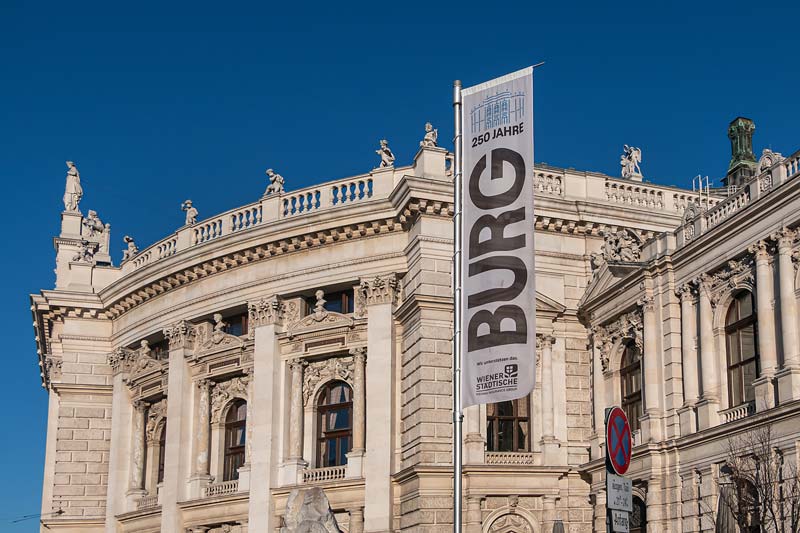
Burgtheater. Historic Vienna Burgtheater (Imperial Court Theatre) or “K.K. Hofburgtheater”, design by Gottfried Semper and Karl Hasenauer, 1888.
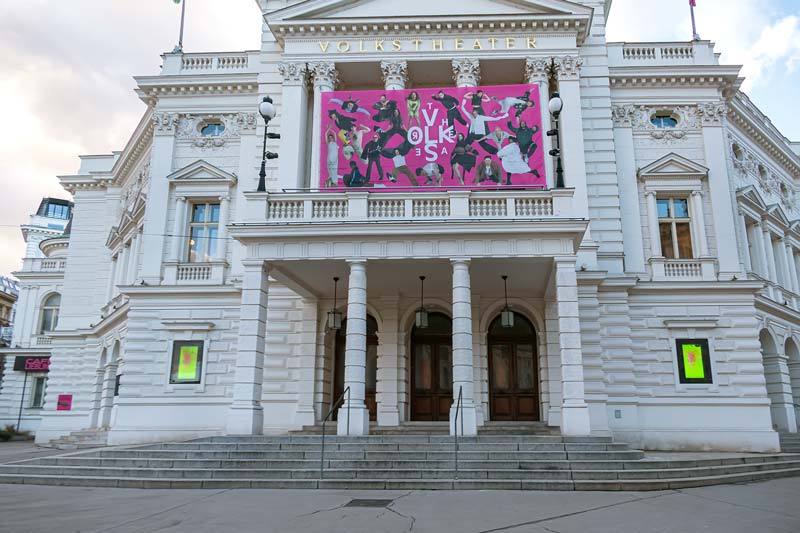
Volkstheater. Volkstheater (People's Theatre, 1889) building was designed by architects Ferdinand Fellner and Hermann Helmer.
Museum of Natural History . Natural History Museum Vienna (Naturhistorisches Museum, 1889) is one of the most important natural history museums in the world. Its earliest collections are more than 250 years old. Today around 30 million objects are kept there..
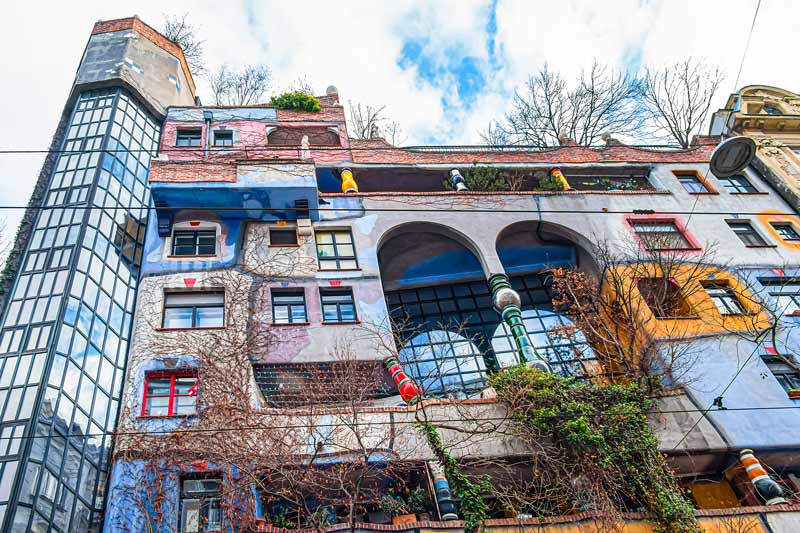
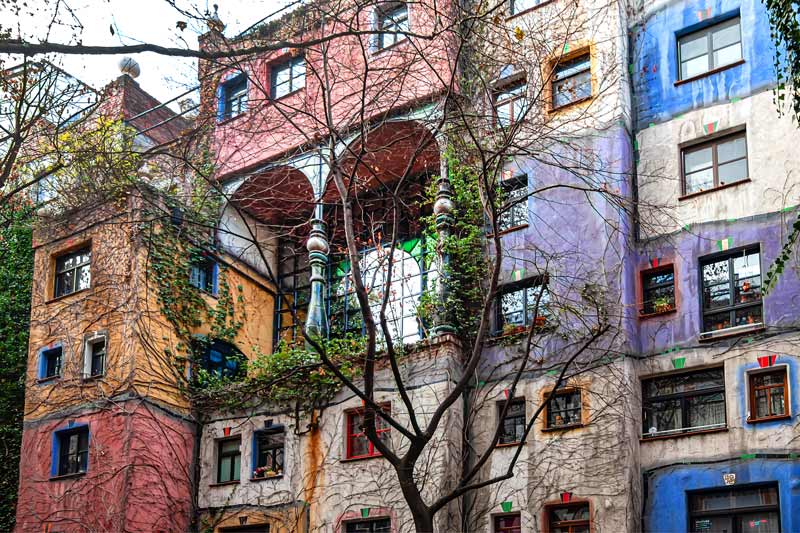
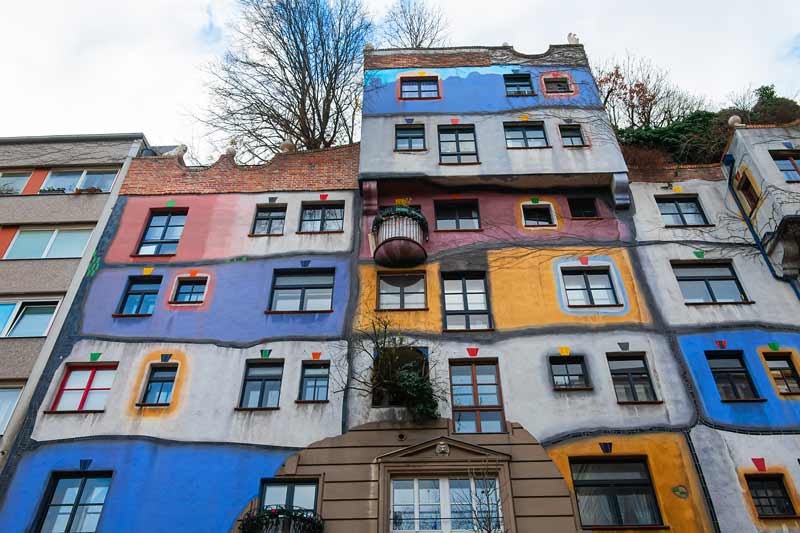
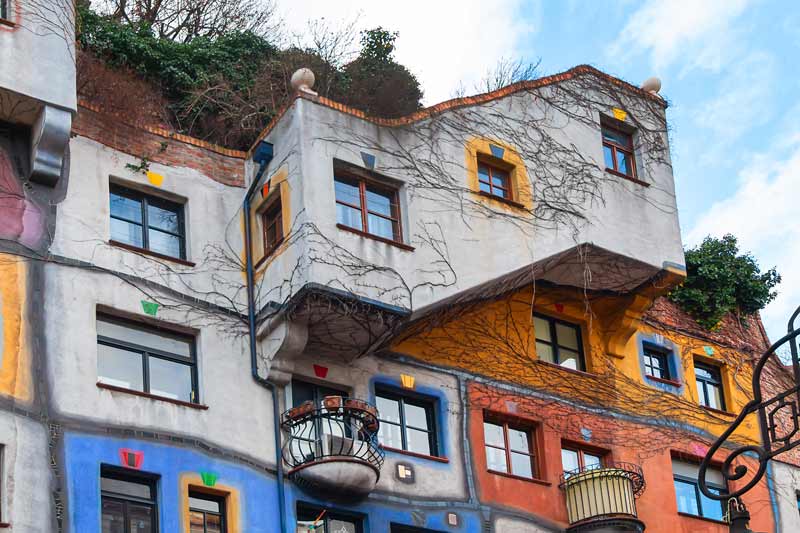
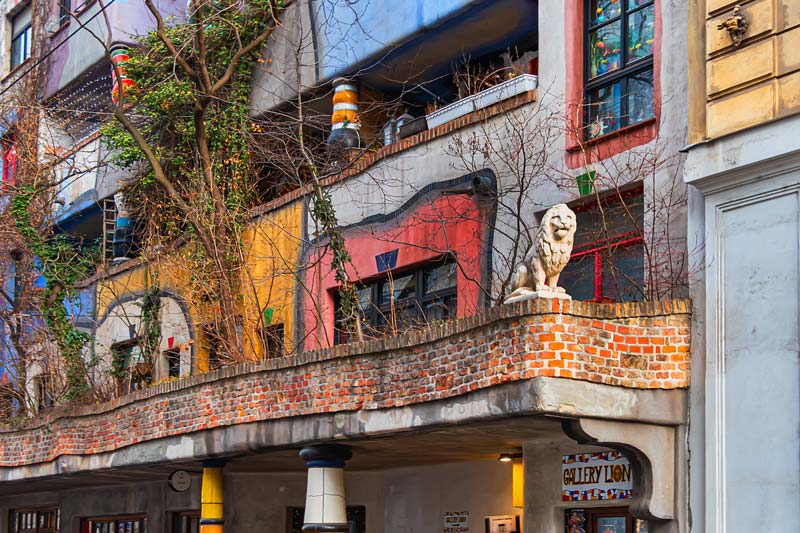
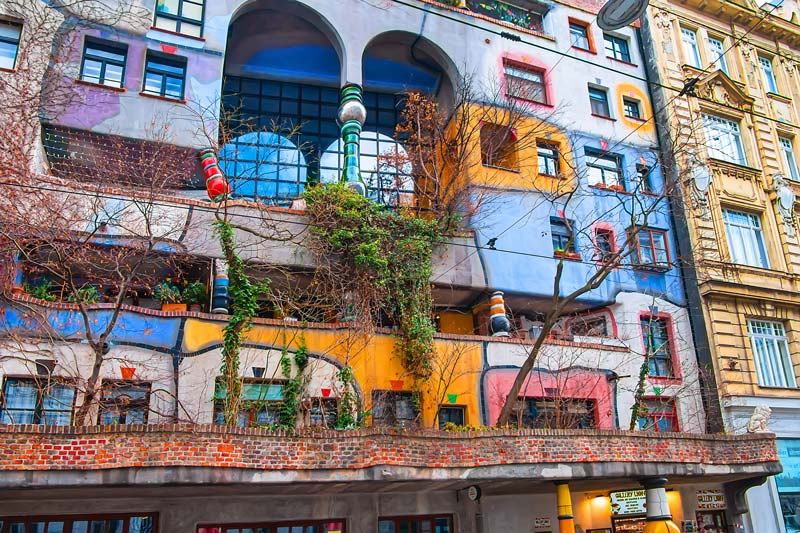
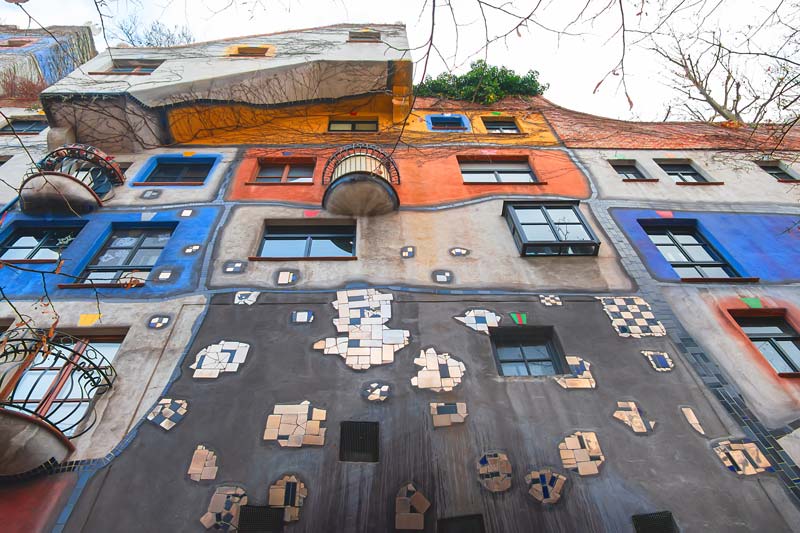
Hundertwasser House. Hundertwasser House, a famous apartment building in Vienna, built after concepts of Austrian artist Friedensreich Hundertwasser.
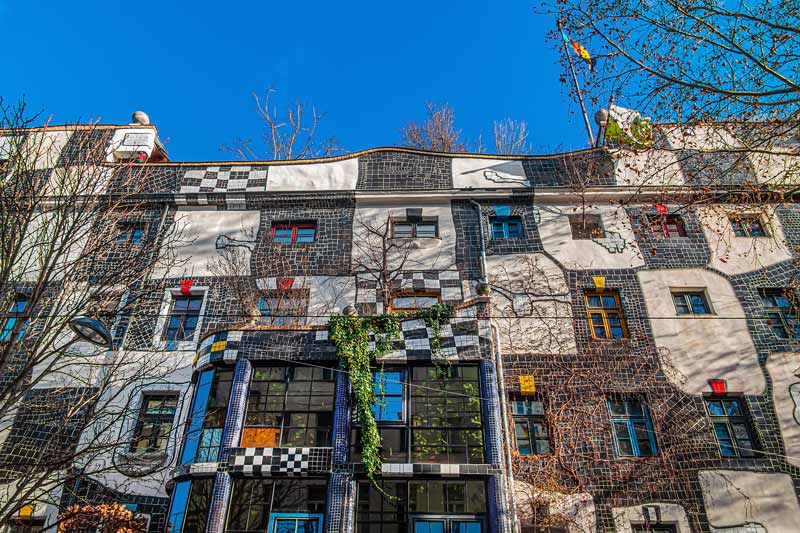
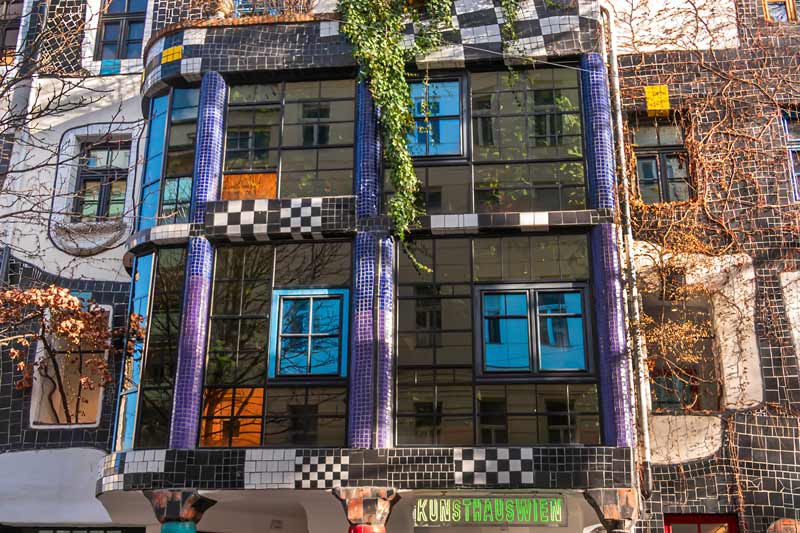
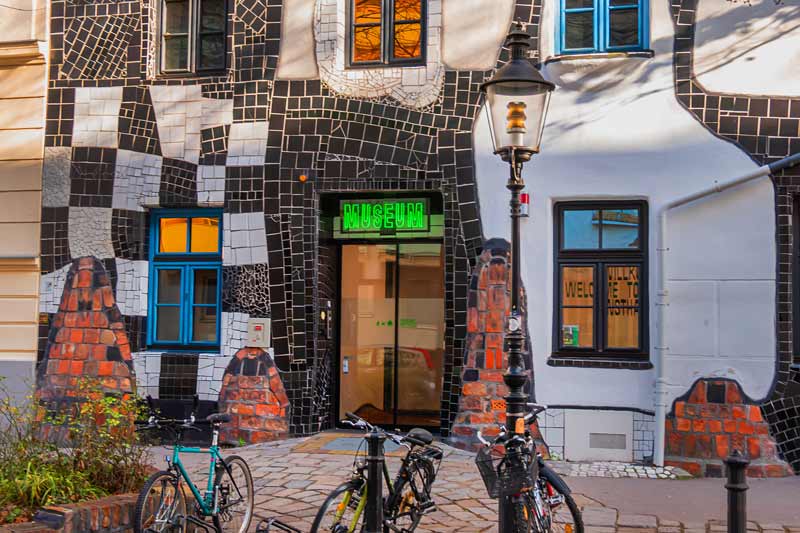
Kunst Haus Wien. Kunst Haus Wien is a museum in Vienna, designed by the artist Friedensreich Hundertwasser. This museum in the Landstrasse district houses the world's only permanent exhibition of Hundertwasser's works.
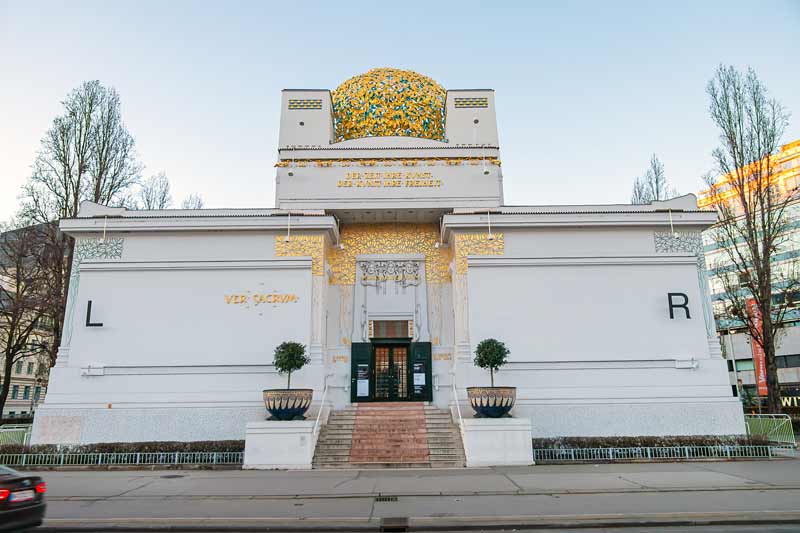
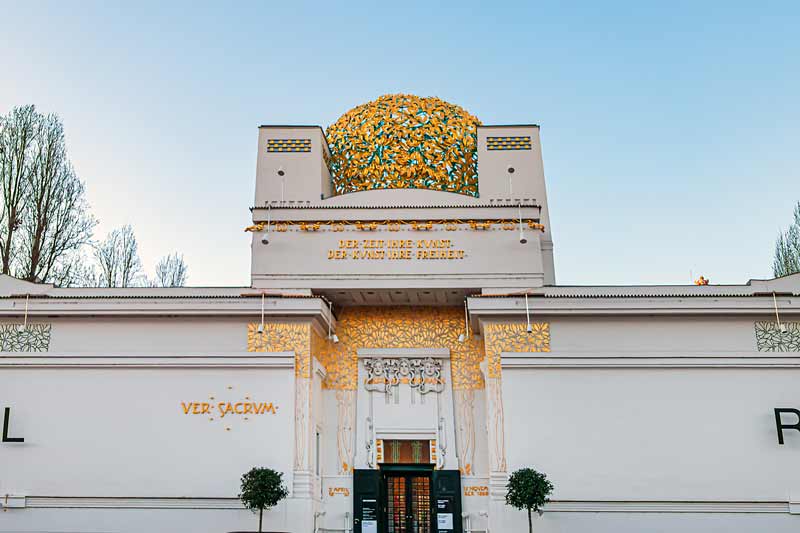
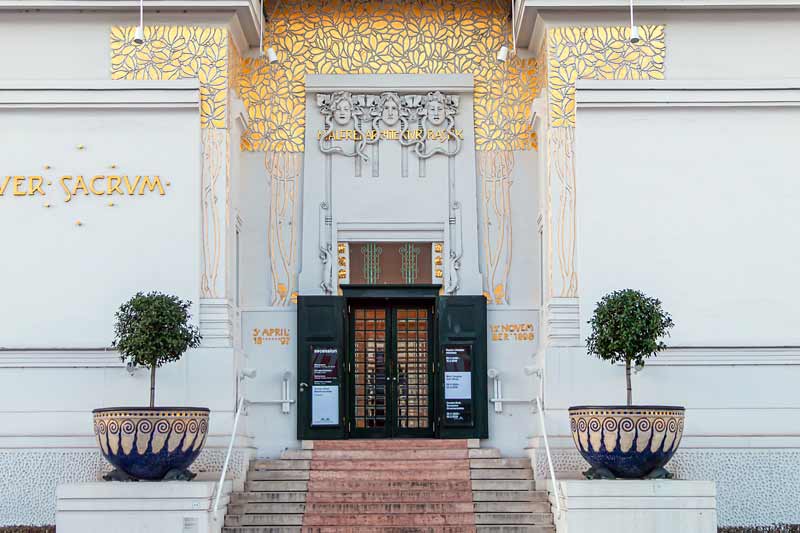
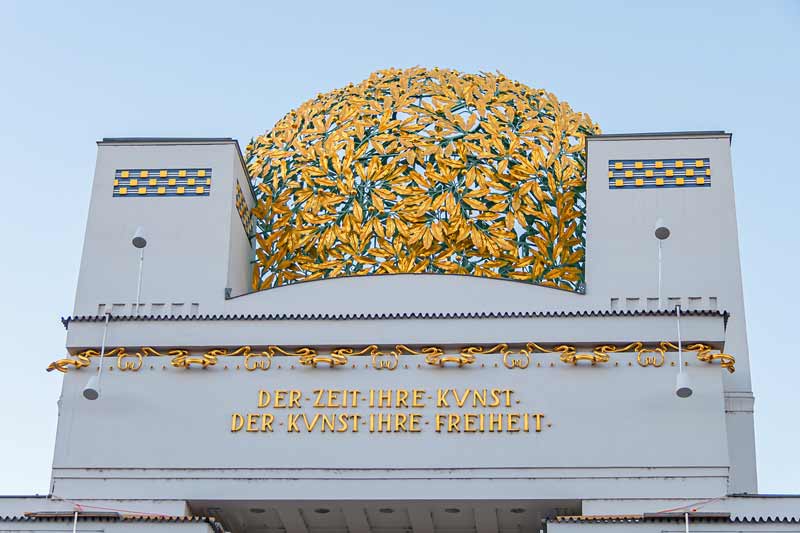
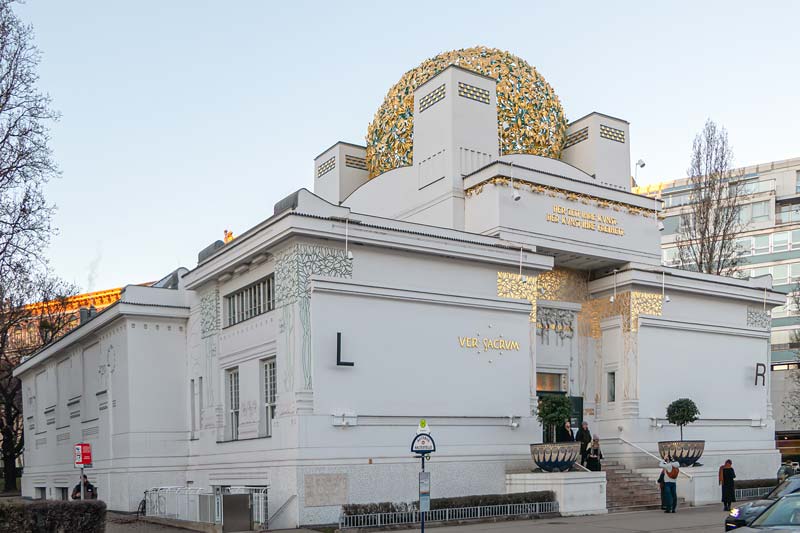
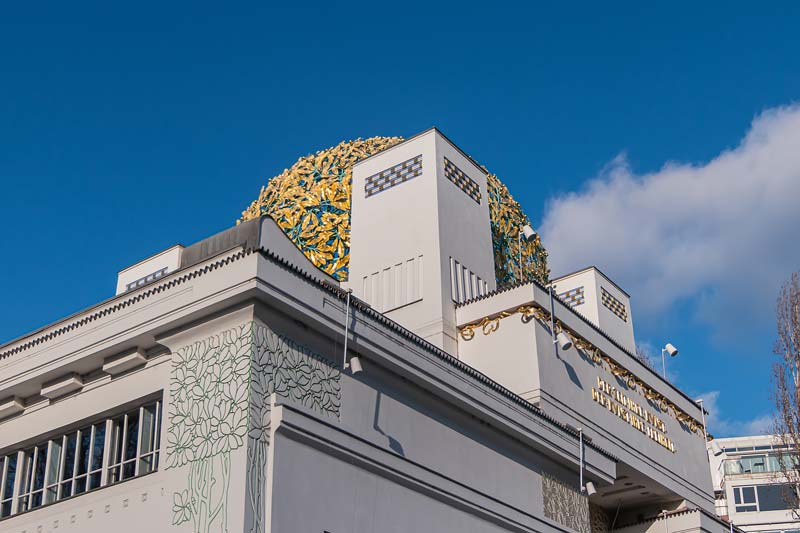
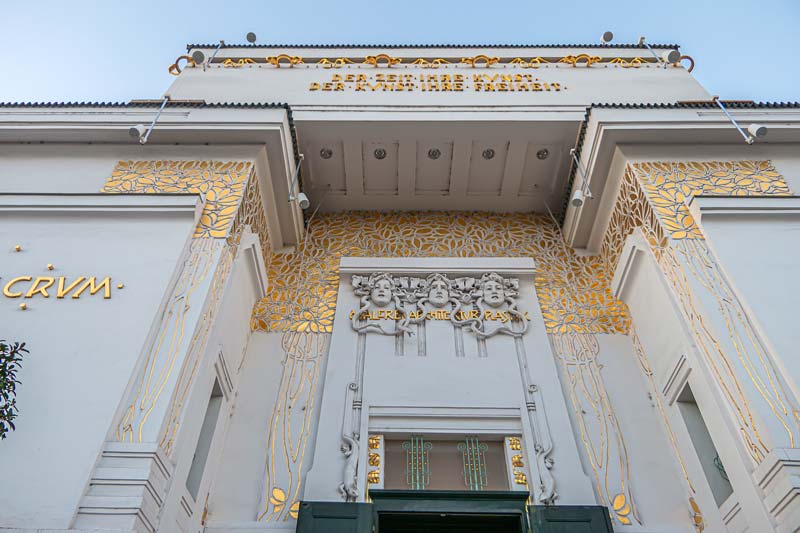
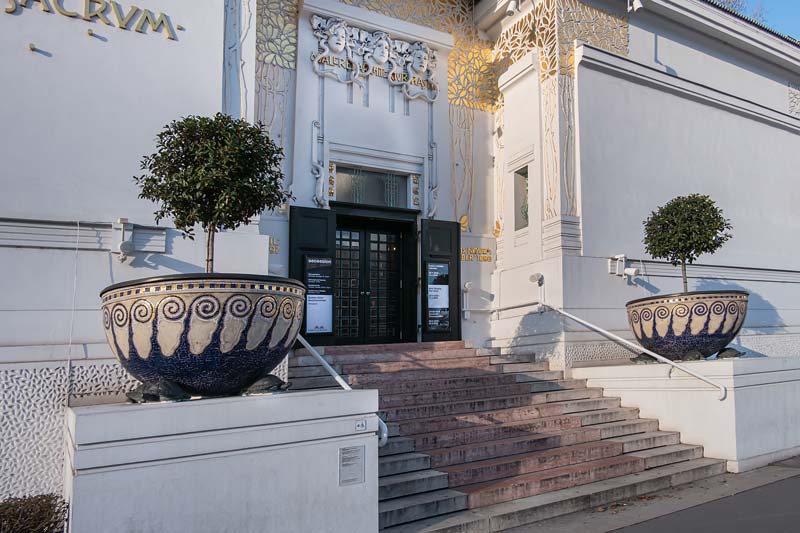
Secession Building. Art Nouveau Secession Building (Wiener Secession) - Exhibition Hall for Contemporary Art built in 1897.